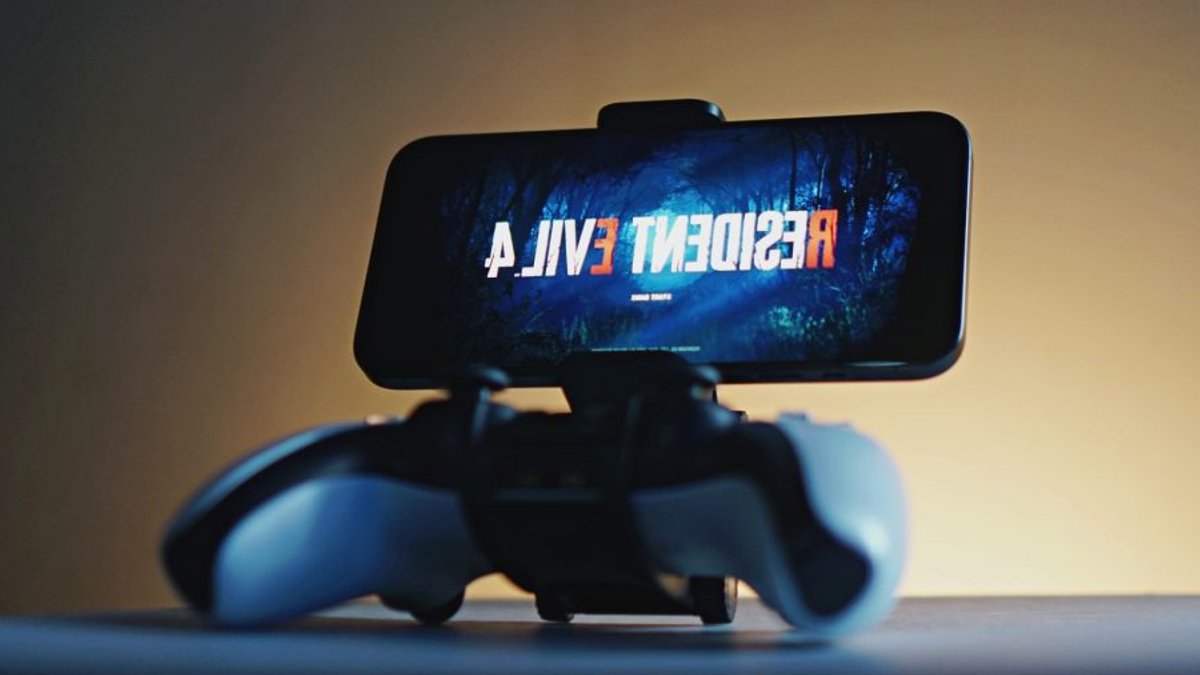
Apple is reportedly working on its own gaming controllers, according to recent reports. While the company has not yet confirmed these plans, the move would mark a significant expansion into the gaming hardware market. This development aligns with Apple’s broader strategy to diversify its product offerings and tap into high-growth sectors, such as gaming, which has seen exponential growth in recent years.
Apple’s Gaming Ambitions
Apple has been steadily increasing its focus on gaming in recent years. The company’s Apple Arcade subscription service, launched in 2019, offers a curated selection of games for iOS, macOS, and tvOS devices. With a growing library of exclusive titles, Apple Arcade has become a key player in the mobile gaming space. The service’s success highlights Apple’s commitment to gaming, as it continues to attract both casual and hardcore gamers by offering high-quality, ad-free experiences. Additionally, Apple’s integration of gaming across its ecosystem, including iPhones, iPads, and Macs, shows its ambition to create a unified gaming platform.
Read Also: iPhone 18 Pro Series Launches in Philippines
Apple’s Gaming Controllers: A Natural Next Step
The development of Apple-branded gaming controllers would be a natural next step for the company. By offering its own hardware, Apple could provide a more seamless and integrated gaming experience for its users. This move would also allow Apple to compete more directly with established gaming brands like Sony, Microsoft, and Nintendo. Moreover, controllers could enhance the appeal of Apple TV as a gaming device, potentially challenging traditional consoles by offering a more affordable and versatile alternative. Apple’s entry into this market could also encourage developers to create more sophisticated games optimized for its hardware, further enriching the gaming ecosystem.
Potential Features and Design
Details about Apple’s gaming controllers remain scarce. However, it’s likely that the company will prioritize compatibility with its existing ecosystem. The controllers would presumably work seamlessly with Apple Arcade games, as well as other gaming titles available on the App Store. Given Apple’s focus on interoperability, these controllers might also support cross-platform play, allowing users to switch between devices without losing progress or functionality. This could be a significant advantage in a market where compatibility issues often frustrate gamers.
In terms of design, Apple is known for its minimalist and intuitive approach. The company’s gaming controllers could feature a sleek, modern aesthetic, with a focus on ergonomics and comfort. It’s also possible that Apple will incorporate haptic feedback and other advanced technologies to enhance the gaming experience. Apple’s expertise in haptic technology, as seen in iPhones and Apple Watch, could translate into highly responsive and immersive controller feedback. Additionally, the use of premium materials and a focus on sustainability, consistent with Apple’s design philosophy, could set these controllers apart from competitors.
Read Also: Wolverine Roars Back in Gritty Marvel Review
Apple TV and Gaming: A Potential Console Challenger
One potential area of focus for Apple could be the integration of its controllers with Apple TV. By offering a dedicated gaming controller for its set-top box, Apple could position the device as a more viable alternative to traditional gaming consoles. This could include exclusive features like voice control via Siri, seamless pairing with Apple TV, and integration with Apple’s broader services, such as iCloud for game saves and progress syncing. Such features would not only enhance the gaming experience but also reinforce Apple’s ecosystem lock-in strategy.
As Apple continues to invest in its gaming initiatives, it’s clear that the company sees this market as a key area of growth. With the potential launch of its own gaming controllers, Apple is poised to make a significant impact on the industry. While it remains to be seen how these controllers will be received by gamers, Apple’s track record of innovation and design excellence suggests that they could be a turning point. The company’s ability to combine hardware and software seamlessly could create a unique value proposition, appealing to both casual and serious gamers alike.
The gaming industry is rapidly evolving, with new technologies and platforms emerging all the time. As companies like Apple enter the fray, it will be interesting to see how the environment shifts and changes. For now, gamers can look forward to the possibility of a new, Apple-branded controller to enhance their gaming experience. Innovations such as cloud gaming, augmented reality (AR), and virtual reality (VR) are reshaping the industry, and Apple’s involvement could accelerate the adoption of these technologies, further blurring the lines between mobile and console gaming.
Read Also: CASETiFY Upgrades iPhone Cases and Teases Duo
Apple’s $200 Billion Gaming Opportunity
With the gaming market expected to reach $200 billion by 2023, according to industry reports, Apple’s move into this space could be a lucrative one. As the company continues to diversify its product offerings, gaming controllers could be just the beginning of a major push into the world of gaming. Apple’s financial resources and brand loyalty position it well to capture a significant share of this growing market. By leveraging its existing user base and ecosystem, Apple could quickly establish itself as a major player in gaming hardware and services.
As we await more information about Apple’s gaming controllers, one thing is certain: the company’s entry into this market will be watched closely by industry analysts and gamers alike. With its reputation for innovation and quality, Apple has the potential to disrupt the gaming hardware space and create new opportunities for growth and competition. The introduction of these controllers could also spur innovation among competitors, leading to better products and experiences for gamers worldwide. Apple’s move into gaming hardware is not just about controllers but about redefining what gaming can be within its ecosystem.